

Go to New Games


Retro Rush
Retro Rush

Flip Spot

Flip Or Fail

Pet Runner

Basket Sports Stars

Home Run Infinity

TapKO

Soccer Star - Music Ball Jump 3D

Football: Robots vs Zombies, World Cup!

Rocketcar Cup

PunchBox 3D

Turbo Flip

Tennis Masters 2026

Golf Mini

Free Kick Challenge 2026

Hoop Land
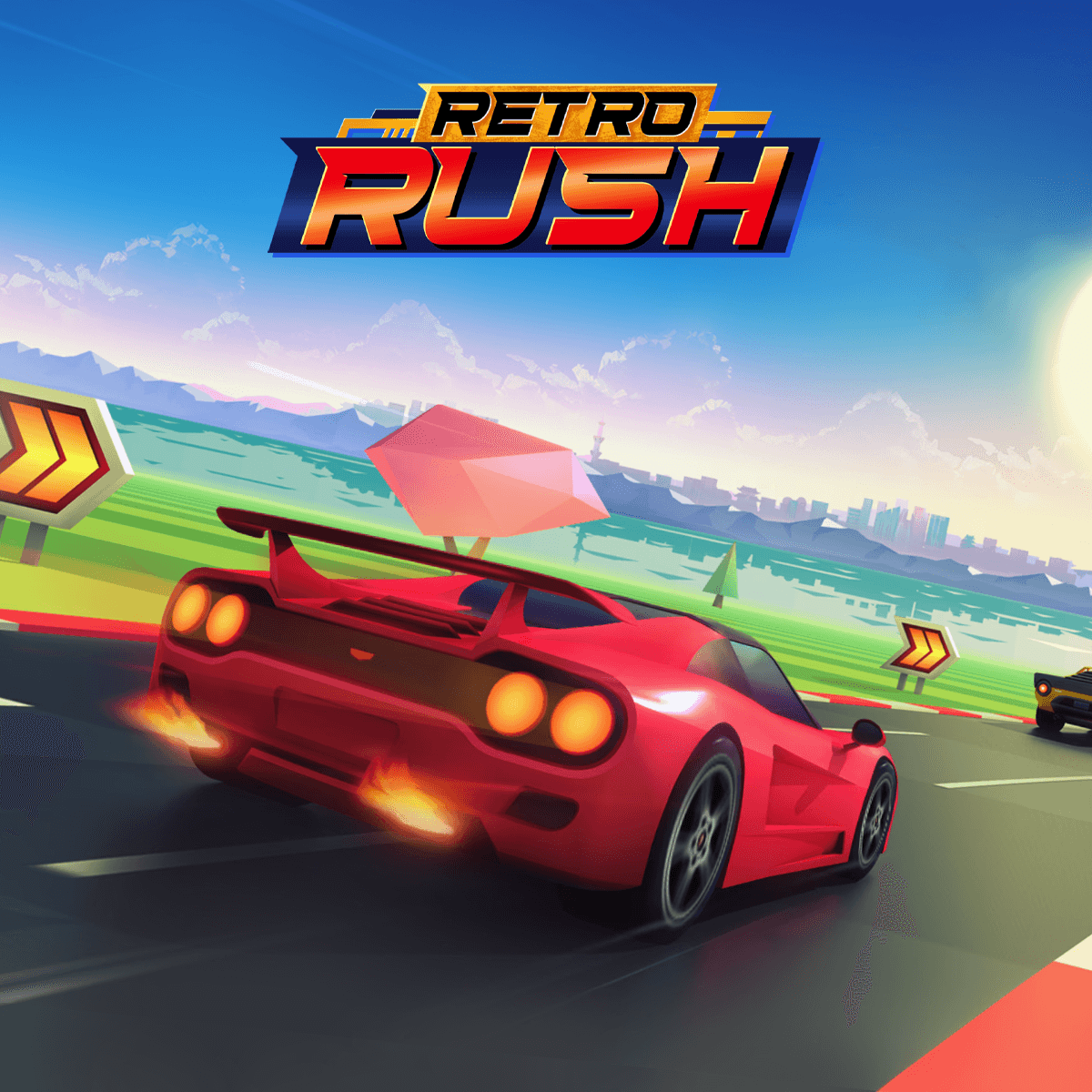
As a new entry in the racing game category, Retro Rush breaks away from the norm. Racing isn't necessarily what you hear when you hear the engine rev up.
Speed is No Longer A Safe Concept
From the start, players are thrust into a constant flow of movement. Every second is tied to the changing situation on the track. Everything is designed to keep the player's heart rate high. The feeling of controlling the car gradually transforms into a continuous test of reflexes. And it is this controlled chaos that creates the game's unique identity. Players not only control the car but also control their decision-making.
Going from A to B on the racetrack is more like making a never-ending chain of choices. Each lane change, each acceleration or deceleration, creates a ripple effect on the entire course. The driving space is constantly changing, with traffic density and obstacles appearing in unpredictable ways. Players have to continuously adapt instead of memorizing a fixed scenario. This makes each playthrough feel different, even on the same track. Factors like fuel and acceleration don't appear as mere rewards but as part of the strategy.
Speed, Fuel, And Control
Players need to know how to balance speed and driving resources. The car cannot maintain maximum performance without fuel. Acceleration has to be carefully calculated in advance of potential adverse situations. Long stretches become a test of management skills rather than just a straight race. A nitro boost appears as a tool to disrupt the balance, but it can also easily become risky. Players gradually learn to read the rhythm of the road instead of just looking ahead. Choosing a lane is no longer a reflex but a deliberate decision. The combination of management and reaction creates the depth of the gameplay.
- Simple button controls but require high reflexes.
- Nitro offers breakthroughs but can easily lead to loss of control.
- Limited fuel means each route requires strategy.
- The center lane is generally safer for handling situations.
Beyond simply completing races, Retro Rush builds a progression system. Each playthrough yields rewards that unlock new vehicles and improve performance stats. Vehicles differ not only in appearance but also directly influence how players handle situations. Some prioritize speed, others stability or fuel control. This creates multiple play styles instead of a fixed strategy. The further you progress, the more complex the tracks become, with denser traffic and less open space.